Pest Control in Rural Texas: How to Find Reliable Service When You Live Outside the City
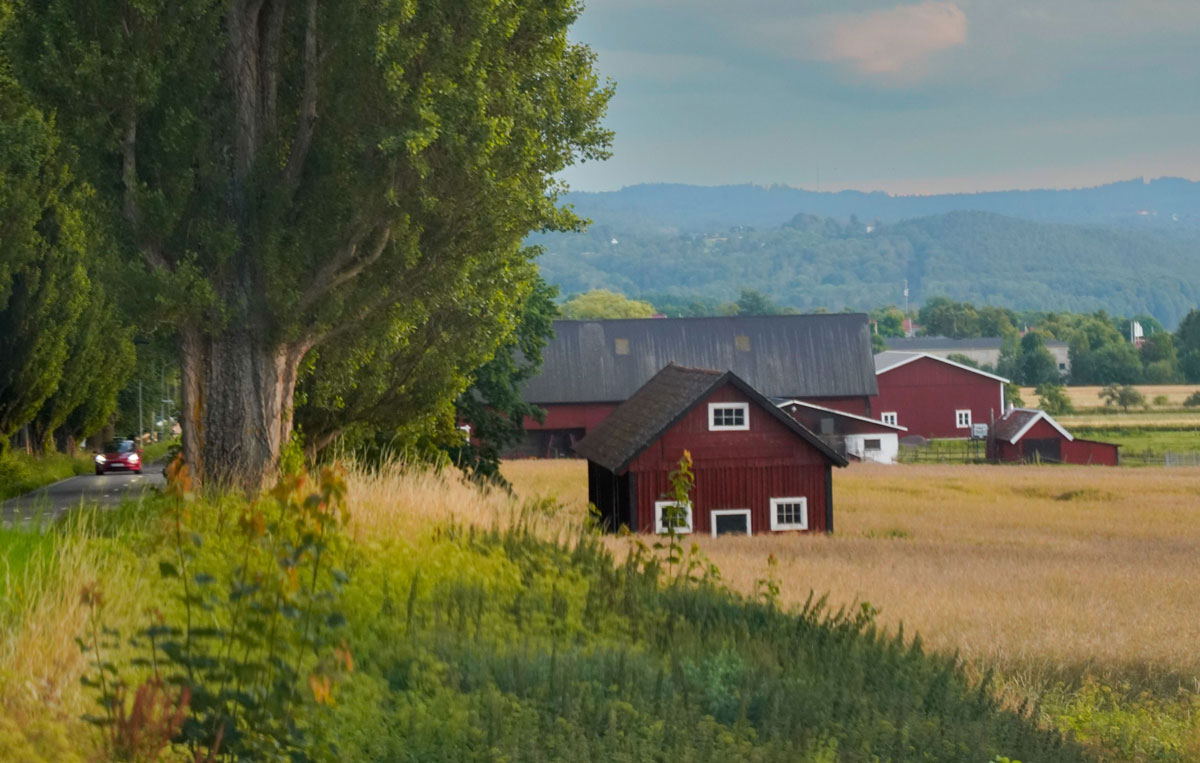
Live outside the Fort Worth or Dallas city limits and you already know: pest control isn’t as simple as looking up “exterminator near me.” Rural Texas properties deal with a different mix of pests, sit outside many companies’ comfortable service radius, and often get treated as an afterthought by crews built for tight suburban routes. If you’re on acreage, a ranch, or just a few miles past where the sidewalks end, finding reliable pest control means knowing what to actually ask for, and who’s willing to make the drive.
This guide breaks down why rural pest pressure is different, which pests show up most on Texas acreage, and exactly what to look for in a company before you sign up for service.
Why Pest Control Looks Different Once You’re Outside the City
In town, pest control is mostly about density: rowhomes, small lots, shared walls. Out past Weatherford, Cisco, or Abilene, the math changes. A property on a few acres has more tree line, more standing water sources, more outbuildings, and often livestock or horses on-site, all of which pull in pests that rarely bother a suburban quarter-acre lot.
Rural homes also tend to rely on well water and septic systems, sit near pastureland or crop fields, and back up to undeveloped brush. That proximity to open land means more contact with field mice, snakes, and burrowing wildlife, on top of the standard ants-and-spiders lineup every homeowner deals with. It also means a single treatment plan built for a city rowhouse won’t cover what’s actually pressuring a rural property.
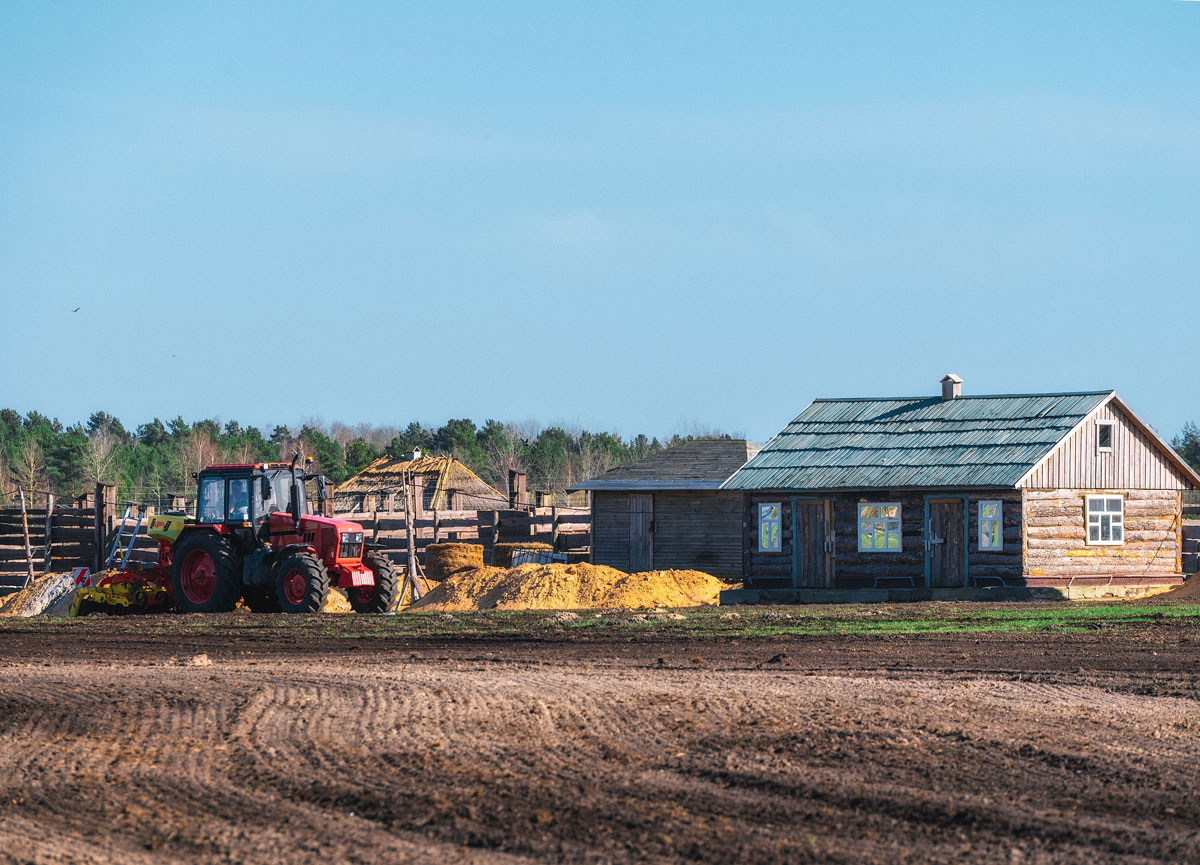
The Pests That Come With Acreage, Ranches, and Open Land
Rodents and Wildlife
Barns, sheds, and hay storage are prime real estate for mice and rats, especially once temperatures drop. Left alone, they chew through wiring, contaminate feed, and open the door for snakes hunting them. Entry-point sealing matters more here than in the city, simply because there’s more perimeter to defend.
Termites
Rural homes with wood fencing, tree stumps, or older outbuildings often have more termite food sources sitting right next to the house. Without a nearby neighbor’s treated property acting as a buffer, termite colonies can move in from the tree line uninterrupted.
Mosquitoes and Standing Water
Stock tanks, ponds, low-lying pasture, and clogged culverts all hold water longer than a city storm drain does. That’s a mosquito breeding ground sitting a few hundred feet from the porch, which is exactly why seasonal mosquito treatments matter more on acreage than they do in a dense subdivision.
Ticks, Fleas, and Livestock Pests
Tall grass, livestock, and outdoor pets add up to more tick and flea exposure. Rural properties usually need a broader outdoor treatment perimeter than a small city lawn would ever require.
Why DIY and Big-Box Treatments Fall Short Out Here
Store-bought sprays and bait stations are built around average suburban infestations, a few ants in the kitchen, maybe a wasp nest under the eaves. They’re not designed for a property backing up to pastureland with multiple structures to protect. Worse, many national pest control chains simply don’t route trucks that far outside the metro, or they quote a property “outside their zone” at a markup that makes DIY look tempting again.
The result: rural homeowners either go without professional treatment entirely, or end up working with whoever happens to answer the phone, not necessarily the company best equipped to handle acreage-sized pest pressure.
How to Find Reliable Pest Control When You Live Outside City Limits
Use this checklist before you commit to a service:
- Confirm they’re licensed and insured. This is non-negotiable no matter where you live, but it matters even more on a property with livestock, well water, or outbuildings — a poorly applied treatment near a barn or feed storage can cause real damage.
- Ask if they actually service acreage and rural addresses, not just a list of city zip codes. Some companies will say yes to book the job, then show up unprepared for a five-acre property with three structures instead of one house.
- Look for local ownership, not just a local-sounding name. A company based in and around your area understands the pest pressure specific to Texas ranchland and exurban properties, not a generalized national playbook.
- Get a free inspection before signing anything. A reliable company walks the property, identifies entry points and pest activity, and builds a plan around what they actually find, not a flat-rate guess.
- Ask about response time for emergency calls. If you’re 20 minutes from the nearest neighbor, “we’ll get someone out next week” isn’t good enough for a wasp nest by the front door or rodents in the attic.
- Check for a no-contract, satisfaction guarantee. Reliable companies stand behind the work with a handshake, not a multi-year agreement you can’t get out of if the service doesn’t hold up.
- Read reviews from other rural or acreage customers specifically. A five-star review from a downtown apartment doesn’t tell you much about how a company handles a barn, a stock tank, or a half-mile driveway.
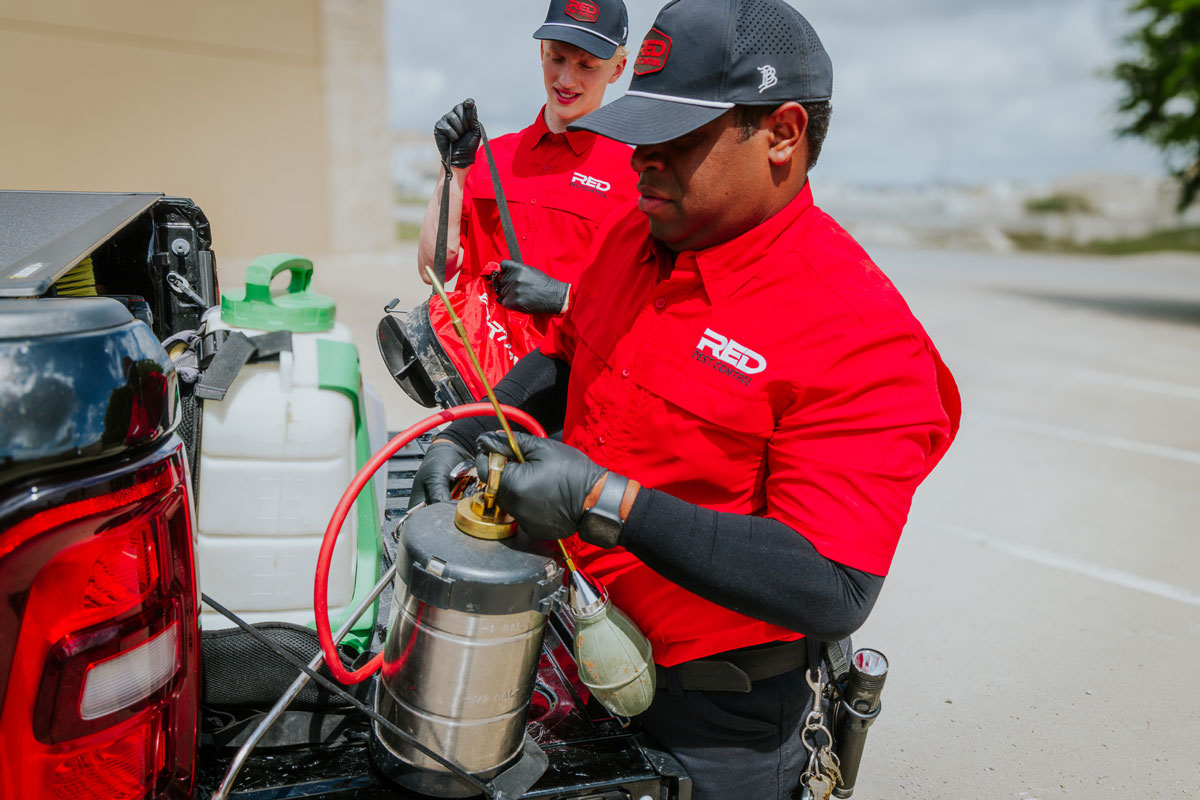
What Sets Red Pest Control Apart for Rural DFW and West Texas Properties
Red Pest Control has protected more than 1,000 properties across the DFW Metroplex and out toward Weatherford, Cisco, and Abilene, including plenty of homes and land that other companies consider “too far out.” No long-term contracts, no hidden fees: just licensed, insured technicians who inspect the whole property, treat the source of the problem, and follow up if it doesn’t stick. Same-day service is available for the pest emergencies that can’t wait, and every plan is built around what’s actually on the property, not a one-size-fits-all suburban template.
Frequently Asked Questions
Does pest control work the same way in rural areas as it does in the city? No. Rural properties deal with more entry points, more standing water, and more contact with wildlife, so treatment plans need a wider perimeter and different priorities than a typical in-town service call.
How often should a rural Texas property get treated? Most acreage and ranch properties do best on a quarterly schedule, with additional seasonal treatments for mosquitoes in warmer months and rodents heading into fall and winter.
Do I have to sign a contract for pest control? No, and you shouldn’t have to. Reliable companies earn repeat business through results, not a contract that locks you in regardless of service quality.
What can I do between professional treatments? Seal obvious entry points around barns and outbuildings, clear standing water where you can, and keep grass and brush trimmed back from structures. It won’t replace professional treatment, but it reduces pressure between visits.
Does Red Pest Control serve properties outside Fort Worth and Dallas? Yes. Red Pest Control serves the full DFW Metroplex as well as surrounding rural areas including Weatherford, Cisco, and Abilene. If you’re unsure whether your property is covered, a quick call will confirm it.