
Last Call for Mosquitoes: Mosquito Season in Texas Isn’t Over Yet
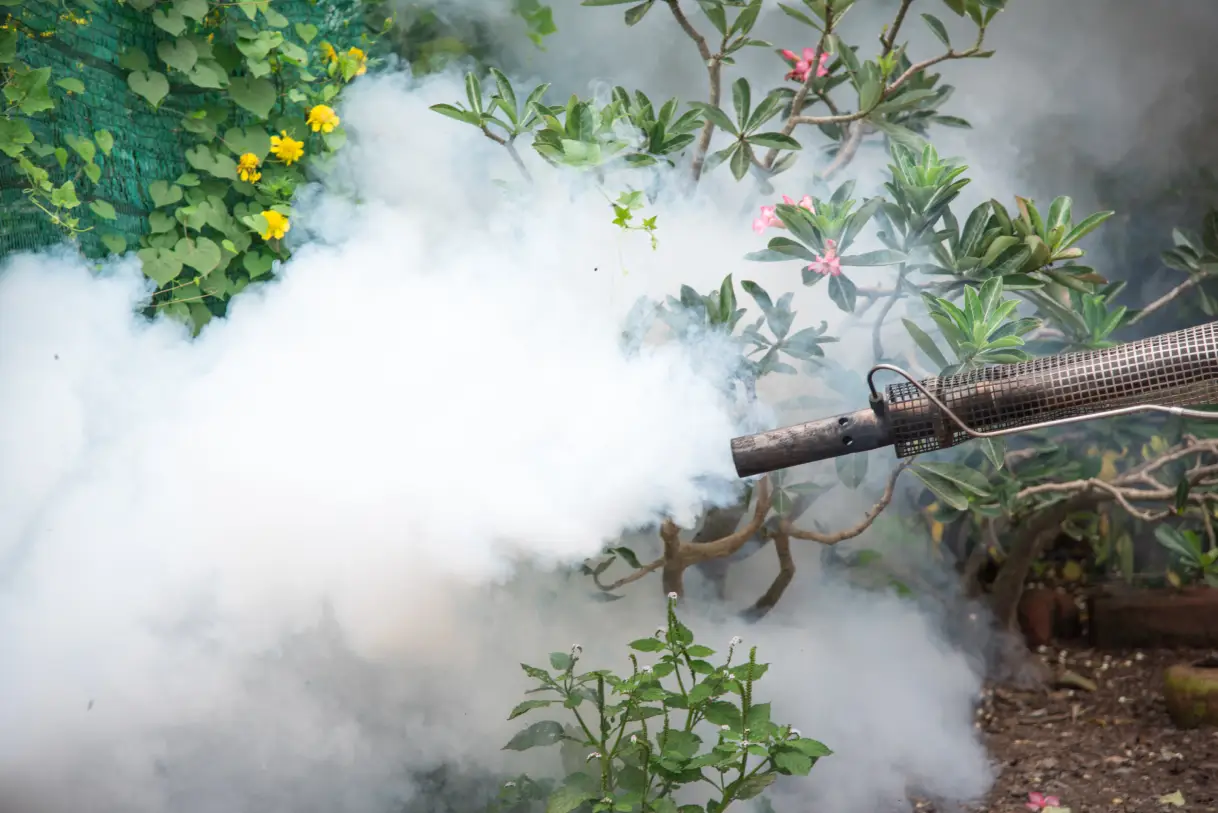
The first cool morning of the year feels like a finish line. Windows open, the grill comes back out, the tailgate calendar fills up, and somewhere in the back of your mind you assume the mosquitoes packed up with the summer heat.
They didn’t. Mosquito season in Texas runs far longer than most people expect, and in North Texas the last stretch of it lands directly on top of football season, backyard parties, and every outdoor gathering you’ve been waiting all summer to host.
Here’s what’s actually happening in your yard right now, and what to do about it before the cold front finally shows up.
Mosquito Season in Texas Doesn’t End With Summer
Mosquito activity in Texas can start as early as February and run as late as November. It isn’t tied to the calendar. It’s tied to temperature and water.
Mosquitoes remain active as long as temperatures consistently stay above about 50°F, and they thrive above 70°F. Anyone who has lived through a DFW October knows how many of those days we still get. The average date of the first freeze at DFW Airport is November 22, meaning that after Labor Day, you’re still looking at roughly 10 to 12 weeks of viable mosquito weather.
That’s the “last call” window. It’s also the window most homeowners quietly stop defending.
Why Fall Mosquitoes Feel Worse Than Summer Ones
Populations aren’t necessarily higher in October. Your exposure is.
Mosquitoes bite hardest at dawn and dusk. In July, a 7:00 p.m. cookout happened in full daylight. By late September, sunset has moved up by more than an hour, so that same 7:00 p.m. start time now falls squarely within peak biting hours. Nothing about the mosquitoes changed. Your timing did.
Fall conditions help them too. Cooler temperatures slow evaporation, so standing water lingers for days instead of drying out by afternoon. Early leaf drop clogs gutters and creates shaded, humid resting spots along fence lines. And most people cancel their treatments in September, which removes the one thing that was keeping the population down.
The Health Risk Doesn’t Drop Off in September
West Nile virus is the main mosquito-borne concern in North Texas, and according to the CDC, West Nile activity “typically occurs during the summer months and into the fall.” The Texas Department of State Health Services notes that risk exists any time there is mosquito activity, not just during peak summer.
DSHS promotes a simple three-part framework – Declare WAR on mosquitoes:
- Wear long sleeves and pants when you’re outside at dusk
- Apply insect repellent containing DEET
- Remove standing water from areas of work and play
That last one is where most of the real progress gets made.
What’s Actually Breeding in Your Yard Right Now
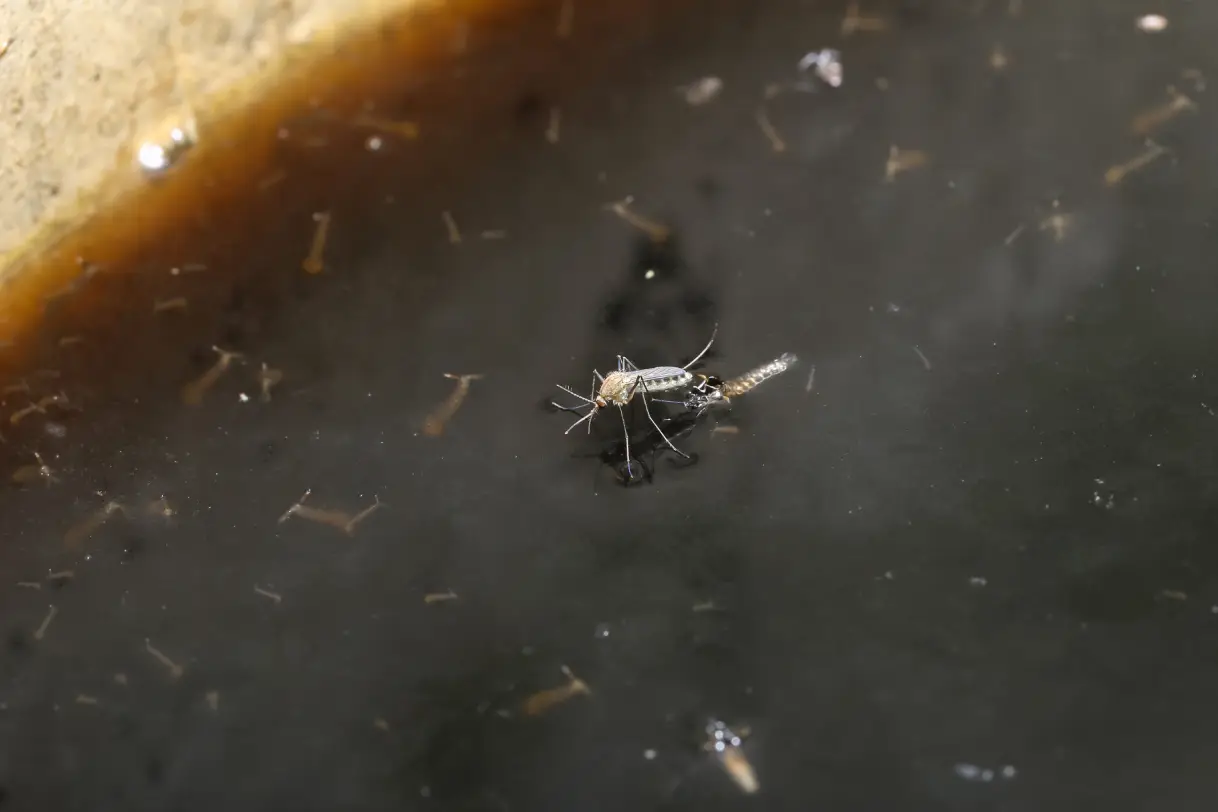
A mosquito can go from egg to biting adult in about a week, and it takes shockingly little water – roughly a bottle cap’s worth. These are the fall-specific culprits we find most often on DFW properties:
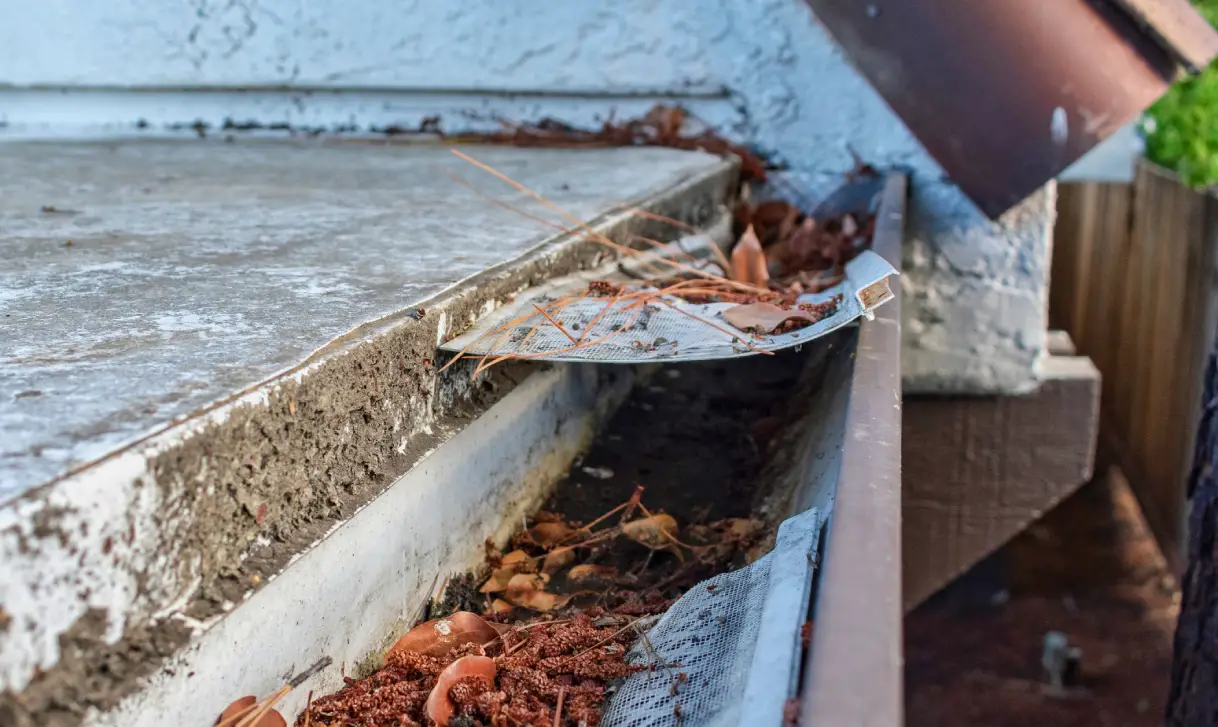
- Gutters clogged with early leaf drop, holding water along the roofline
- Grill covers, patio furniture covers, and tarps with rainwater pooled in the folds
- Coolers, drink tubs, and buckets left out after the last gathering
- Plant saucers, wheelbarrows, and kids’ toys
- Low spots in the lawn that stay wet three days after a rain
- Bird baths and pet water bowls that haven’t been changed in a week
Standing water is the breeding ground. Dense shrubs, tall grass, and ivy along the fence are the daytime resting spots. You need to address both.
How to Protect Fall Outdoor Gatherings
Working backward from your event date makes this far more effective than a same-day scramble.
- Three days out, walk the property. Dump, drain, or flip anything holding water. This single step does more than any spray.
- Clear the gutters. Early leaf drop makes them the most overlooked breeding site of the season.
- Cut back the resting sites. Trim dense shrubs, mow tall grass, and thin out the shaded growth along fences.
- Set up away from the tree line. Move seating toward open, sunnier parts of the yard.
- Run fans on the patio. Mosquitoes are weak fliers and will avoid moving air.
- Keep DEET repellent by the door for guests, especially once the sun starts dropping.
- Schedule a barrier treatment ahead of the date, not the morning of, so the application has time to settle into the areas mosquitoes actually rest.
When It’s Time to Stop Fighting It Yourself
DIY mosquito prevention works right up until the source isn’t on your property. If you’re getting bitten within a minute of stepping outside, or you back up to a creek, drainage easement, retention pond, or an untreated neighboring lot, yard maintenance alone won’t close the gap.
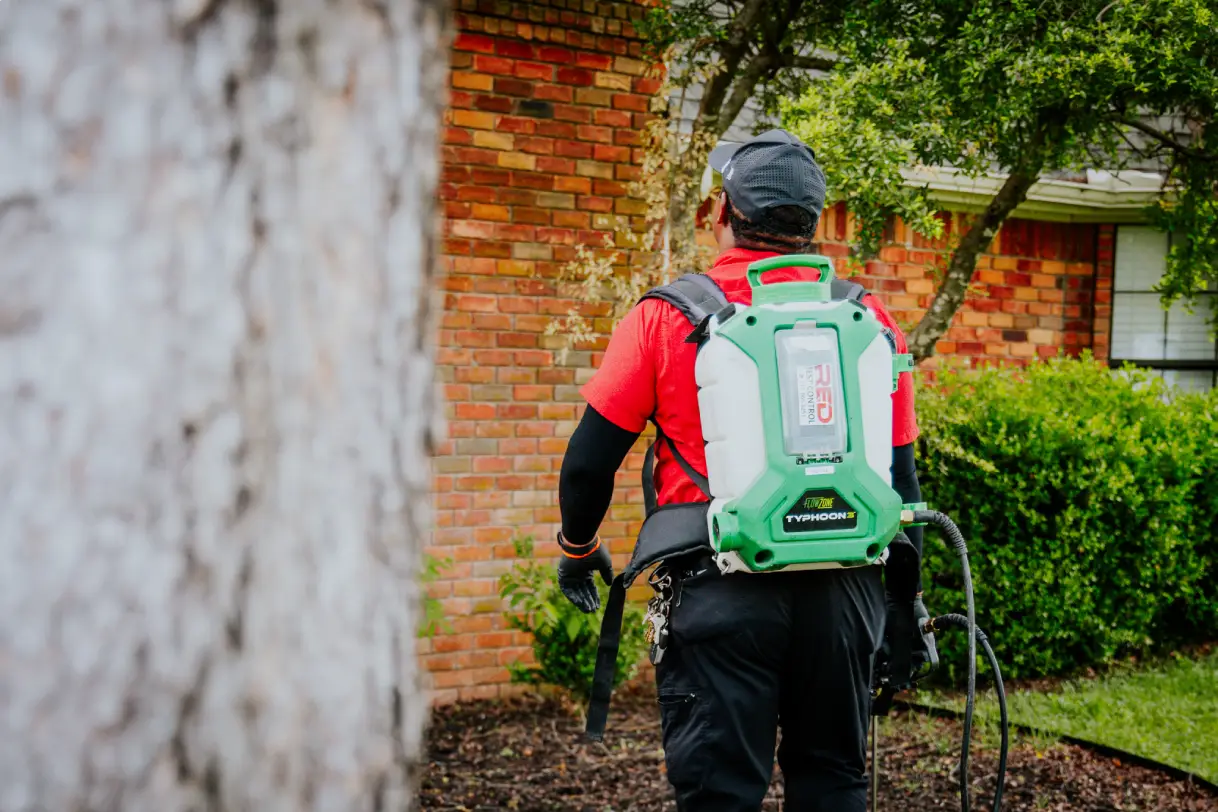
Professional mosquito control works differently than a store-bought spray. It targets the shaded foliage, fence lines, and undersides of leaves where adults rest during the day, and it treats standing water that can’t be drained with a larvicide so the next generation never hatches.
At Red Pest Control, every property is assigned a dedicated technician who learns your yard – where the water collects, which fence line holds the population, what changes season to season. Our services are family and pet safe, fully licensed and insured, and run on a handshake with no contracts. We don’t just treat symptoms. We solve the problem at its source.
Fall Mosquito Control FAQs
When does mosquito season end in Texas?
Mosquito season in Texas typically winds down in November, when temperatures fall consistently below 50°F. In the DFW area, the average first freeze is November 22, so mosquito activity commonly continues through October and into mid-November.
Do mosquitoes die after the first cold front?
No. A single cool front slows activity temporarily, but mosquitoes resume biting as soon as temperatures climb back above 50°F. It takes sustained cold – not one front – to end the season.
Is it worth starting mosquito control in the fall?
Yes. Treating in September and October suppresses the population during the exact weeks people spend the most time outdoors, and it reduces the number of overwintering adults that reappear next spring.
How long does a mosquito treatment last?
Most barrier treatments run on a roughly monthly cycle, though heavy rain, property size, and nearby water sources affect it. Your technician will recommend a schedule based on what your specific yard is dealing with.
Don’t Let the Last Stretch of the Season Ruin It
You’ve got a handful of good outdoor weekends left before the cold sets in. Make them count.
Red Pest Control provides seasonal mosquito control across Fort Worth, Dallas, Arlington, Eastland County, and the wider DFW Metroplex, with same-day service available. Call 817.865.5251 or request a free quote, and we’ll get your yard handled before your next gathering.