
Why Crickets Are So Bad This Year (and How to Get Rid of Them)
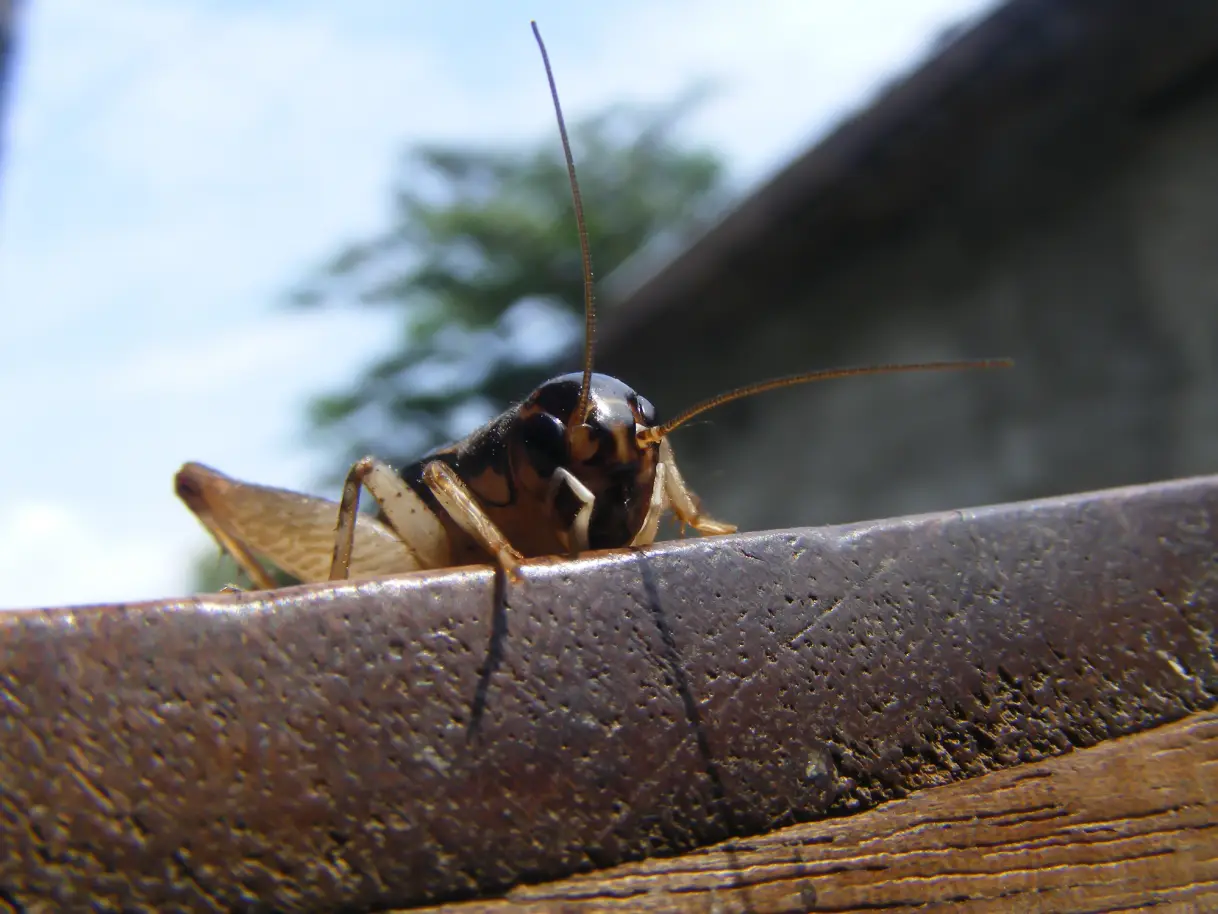
If it feels like there are more crickets in the house this year than usual, you’re right; it’s not just you. The nighttime chirping is louder, they’re turning up in garages and basements more often, and you’re probably finding more of them dead near porch lights and doorways than you remember from past summers. Here’s what’s actually driving this year’s spike, and what to do about crickets in the house before the problem gets worse.
Why Crickets Are So Bad This Year
Crickets have a natural check on their population that most people never think about: moisture-loving fungal diseases that normally wipe out a big share of cricket eggs and young nymphs before they ever grow into the crickets you hear at night. When conditions turn dry, that natural die-off drops off sharply, more eggs survive, more nymphs make it to adulthood, and the population that would normally get thinned out sticks around instead.
That’s the setup North Texas walked into this year. A dry, warm stretch heading into spring let eggs hatch earlier and survive at a much higher rate than usual, with less of the fungal disease around to knock the numbers back down. Then DFW Airport recorded 7.4 inches of rain in the first half of June alone, well above the typical 2 inches for that stretch, according to Axios Dallas which gave that already-larger-than-normal population ideal moisture right as it was hatching and maturing. It’s the combination that matters: a dry stretch that let more crickets survive to begin with, followed by a wet one that gave them exactly the conditions they needed to thrive.
Now the weather has flipped dry again. By early August, DFW had gone 26 straight days without measurable rain, with triple-digit heat pushing the region toward its typical summer average of 20 days at 100°F or hotter, per FOX 4 Dallas-Fort Worth. Field cricket populations typically peak in late summer, usually late August through October, and this year’s numbers are hitting that peak from a higher starting point than normal. As the ground outside dries out and temperatures spike, crickets head for the nearest source of shade and moisture, and that’s often a garage, basement, or crack under your door.
Texas A&M AgriLife Extension entomologists note that cricket outbreaks like this are one of the more predictable pest events of the year. This year’s is simply bigger, because the population had fewer natural checks on it before the season even started.
Signs You Have Crickets in the House
Crickets are usually easy to notice once they move in close to your home:
- Chirping at night, the telltale sound of male crickets, often loudest right outside bedroom windows
- Crickets in damp areas, basements, garages, laundry rooms, and crawl spaces are prime real estate for them
- Crickets gathering near porch lights and doorways; they’re drawn to light and slip inside through any gap they find
- Live or dead crickets on window sills and near baseboards, especially in rooms close to an exterior wall
If you’re noticing several of these at once, it’s a sign there’s an active population near your home, not just a couple of strays that wandered in.
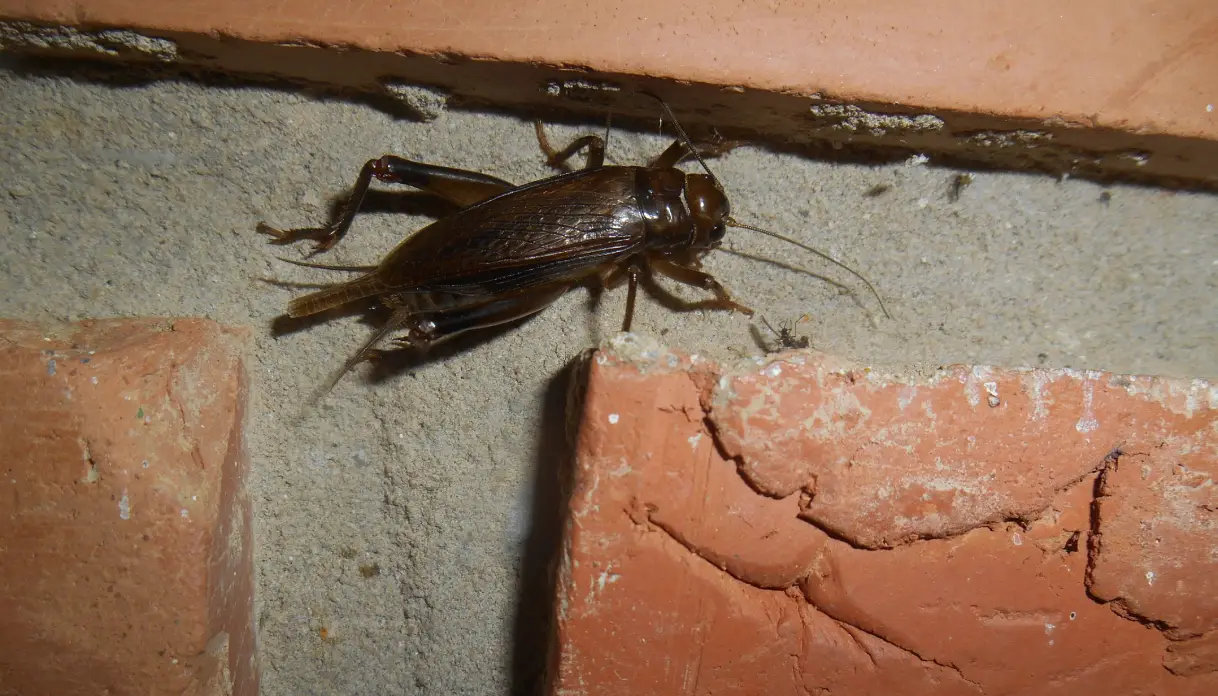
Why It Matters Beyond the Noise
A few crickets are mostly a nuisance. A real cricket infestation is more than that. Crickets will chew on natural fibers like cotton, wool, silk and paper products, which can damage clothing, upholstery, or stored boxes in a basement or closet. Large numbers indoors also tend to attract other pests, since spiders and other predators follow the food source right into your house. And beyond any actual damage, a home with a heavy cricket population is just unpleasant to live in, nobody wants to be finding crickets in their laundry room every night.
How to Protect Your Home
Cricket control starts with making your home less appealing to them in the first place:
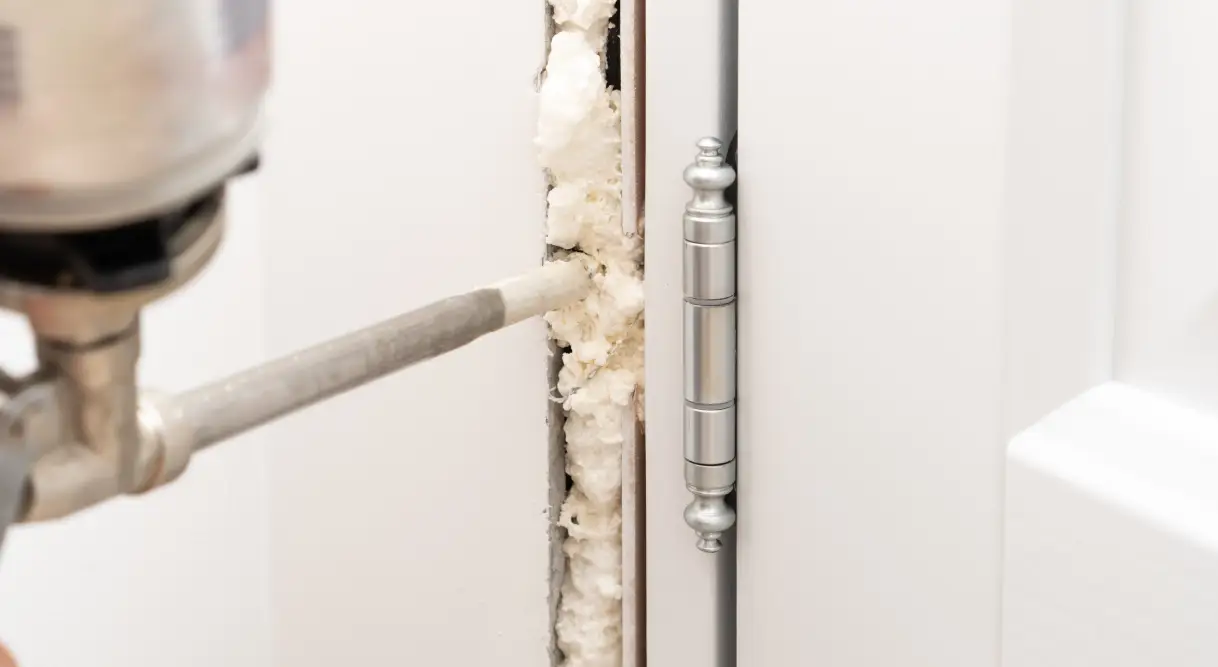
- Seal gaps and cracks around doors, windows, foundation vents, and utility entry points; these are the main entry points crickets use to get inside
- Reduce outdoor lighting near entrances, or switch to yellow or sodium-vapor bulbs that attract fewer insects at night
- Clear damp clutter in basements, garages, and crawl spaces; cardboard boxes and piles of debris are exactly what crickets look for
- Run a dehumidifier in consistently damp areas to make them less hospitable
- Keep vegetation trimmed back from the foundation, since overgrown grass and mulch beds close to the house give crickets a direct path indoors
None of these steps eliminate crickets outright, but together they remove most of what draws them toward your house in the first place.
How to Get Rid of Crickets Already Inside
For a handful of crickets, simple measures often work: sticky traps placed along baseboards and in corners, reducing moisture and clutter, and vacuuming up crickets you find rather than chasing them down individually.
Those DIY options have a ceiling, though. Once you’re dealing with a real cricket infestation, noticeable numbers night after night, multiple rooms affected, or crickets that keep coming back no matter how many you catch, traps and cleanup alone usually aren’t enough to get ahead of it. That’s the point where professional pest control makes sense: a perimeter treatment that targets the population outside before it ever reaches your door, combined with indoor treatment for whatever has already made it in. If crickets have taken over your home this year, you don’t have to keep chasing them room by room. Get a free quote from Red Pest Control and let us handle it before it gets worse.
Frequently Asked Questions
Why are there so many crickets this year specifically?
North Texas saw well-above-normal rainfall in early June 2026, which broke a long drought and gave crickets ideal moist conditions for breeding. The hot, dry stretch that followed in late summer is now pushing that larger population toward homes in search of shade and moisture.
Are crickets in the house actually harmful, or just annoying?
Mostly a nuisance, but not harmless; they can damage fabric and paper goods, and large numbers tend to draw in other pests like spiders that feed on them.
How long will a cricket live if it gets inside my house?
Indoors, away from the outdoor conditions they’re built for, most crickets don’t survive long; but if they’re getting in faster than they’re dying off, it will keep feeling like an ongoing problem.
What’s the difference between a few stray crickets and a real infestation?
Consistent nightly chirping, repeated sightings in the same damp areas, and crickets showing up in multiple rooms all point to an active population near your home rather than one or two wanderers.
If It Feels Like More Than Usual, You’re Not Imagining It
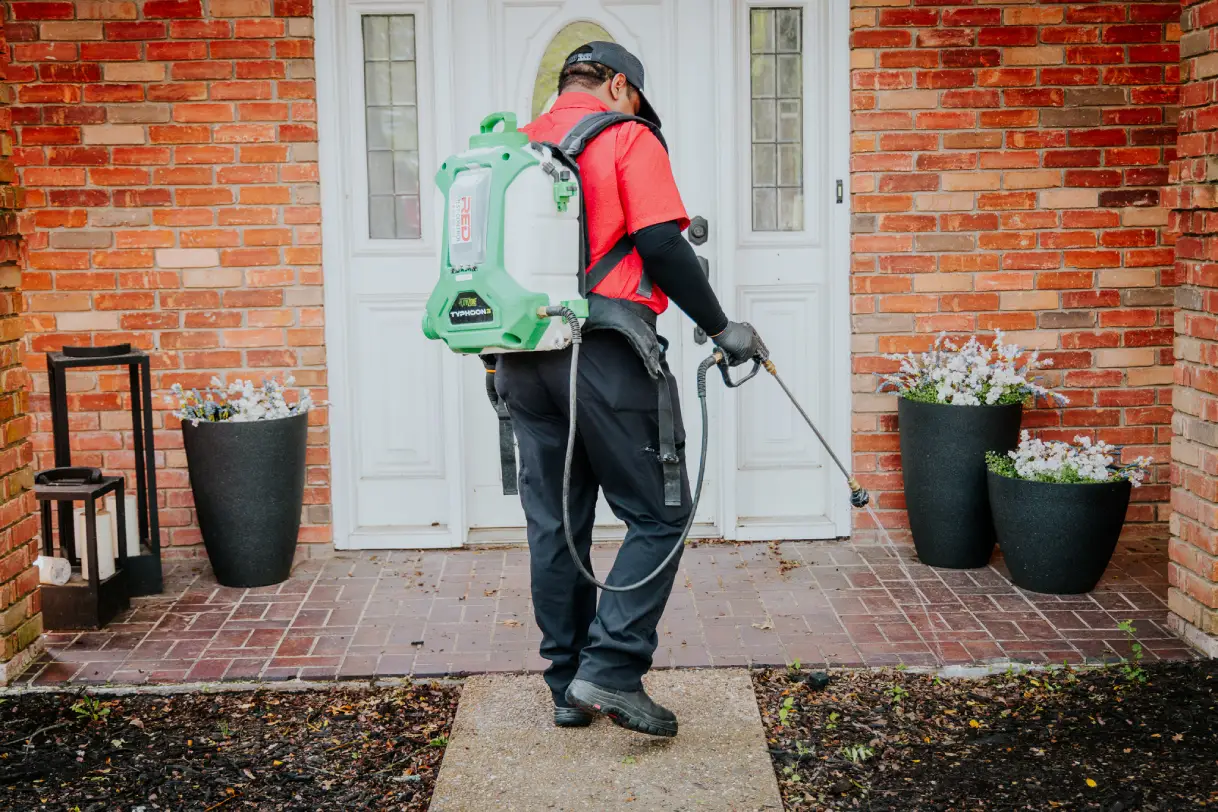
This year’s cricket numbers are genuinely higher in many areas, and sealing gaps or setting a few traps only goes so far once a population is established. Red Pest Control can treat the perimeter around your home and handle what’s already gotten inside, so the chirping and the surprise cricket sightings stop for good. Get your free quote today.