
Why Wasps Get So Aggressive in Late Summer and Early Fall (And How to Get Rid of Wasps)
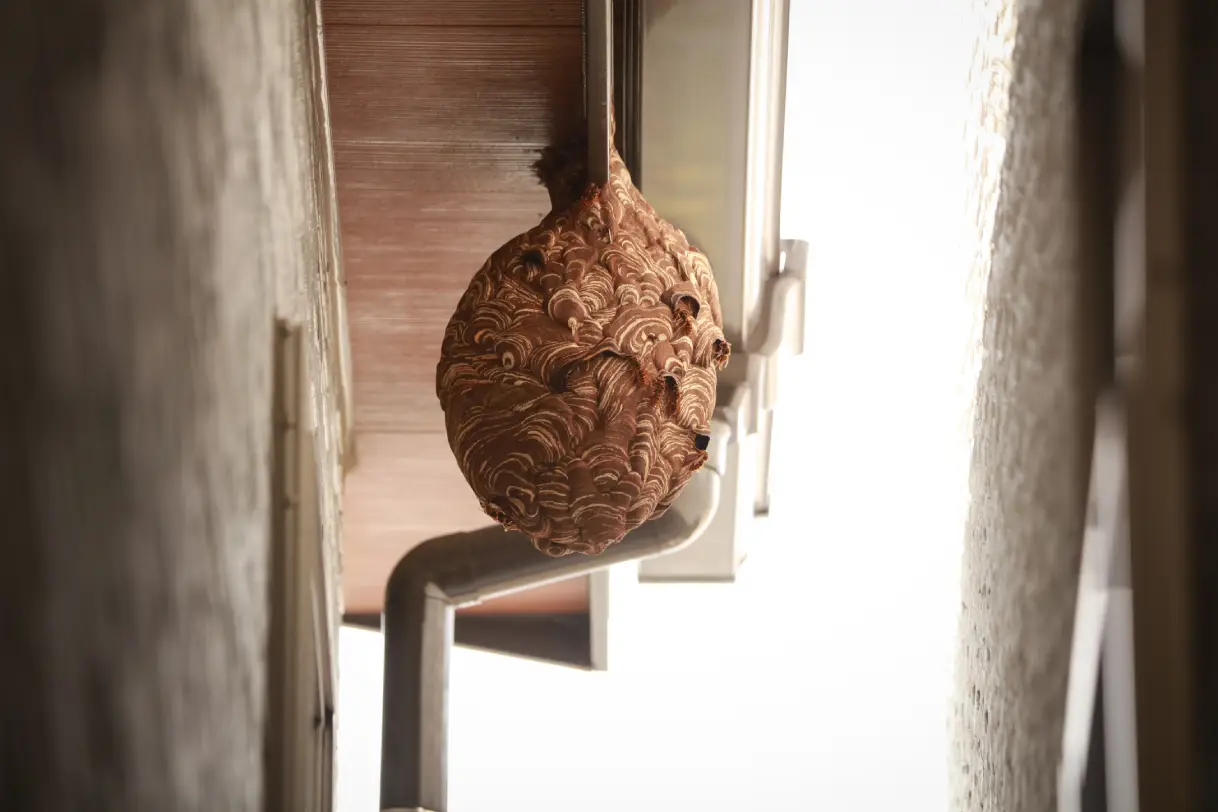
If you’ve noticed more aggressive wasps buzzing around your patio, trash cans, or your kid’s soccer game lately, you’re not imagining it. Late summer into early fall is peak wasp season, not because there are suddenly more wasps, but because the wasps already living in your yard are hungrier, bolder, and a lot more willing to sting. Here’s why that happens, where you’re most likely to run into it, and what actually works when you need to get rid of wasps before they ruin your next cookout.
Why Wasps Turn Aggressive as Fall Approaches
A wasp colony spends all spring and summer growing. By late summer, a nest that started with a single queen can hold hundreds of worker wasps, all of it fed by a steady diet of insects and flower nectar. That food supply is what keeps a colony calm and focused on its own business.
As the weather starts to shift toward fall, that natural food source dries up fast. Insects become scarcer, flowers stop blooming, and the colony’s usual diet disappears almost overnight. Here in North Texas, this year’s stretch of triple-digit heat and weeks without measurable rain has only sped that up as of early August, DFW had gone 26 straight days without rain with highs near 100°F, according to FOX 4 Dallas-Fort Worth (https://www.fox4news.com/weather/dfw-dry-spell-hits-26-days-triple-digit-heat-wave-returns-north-texas). Dry, stressed landscaping means fewer blooming flowers and fewer insects for wasps to hunt, right when the colony needs food the most. The wasps don’t stop needing food, they just start looking somewhere else for it. That “somewhere else” is usually your kitchen trash, your soda can, your grill, and anything else sweet or protein-rich they can find in a backyard.
At the same time, many species including common paper wasps, yellow jackets, and hornets are nearing the natural end of their colony cycle in fall. New queens are being raised, the current queen’s egg production is slowing down, and the workers left behind become noticeably more defensive of the nest. Put a food shortage and a colony under stress together, and you get exactly what people report every fall: wasps that used to leave you alone are suddenly chasing you off the porch.
Where People Run Into Aggressive Wasps Most Often
Once natural food sources dry up, wasps gravitate toward the same handful of places in almost every yard:
- Trash cans and dumpsters — especially ones that haven’t been rinsed or sealed
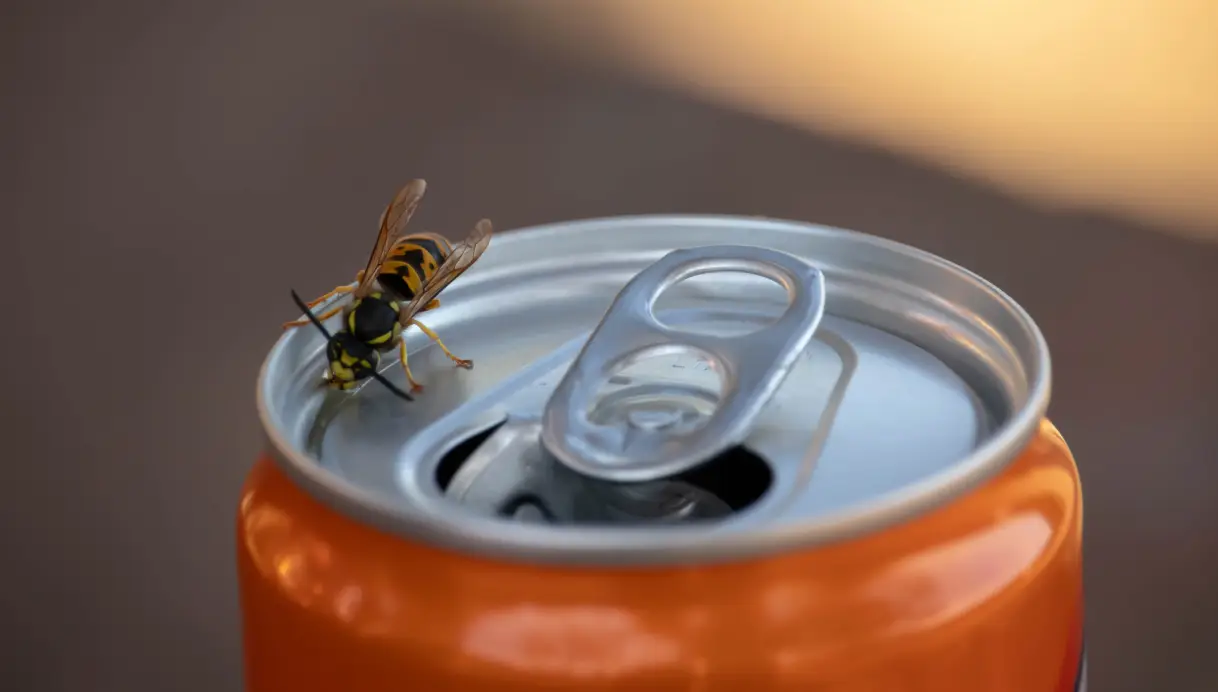
- Soda cans and sugary drinks — left open on a table or in a cup holder
- Grills and BBQ food — meat, sauce, and anything left uncovered
- Fruit trees and fallen fruit — overripe or rotting fruit on the ground is a magnet
- Patios and outdoor seating areas — anywhere people are eating or drinking outside
- Kids’ sports games and outdoor events — concession stands, spilled drinks, and trash bins draw them in fast
If you’ve had more close calls in one of these spots than usual, that’s the seasonal food shortage at work, not a fluke.
How to Protect Your Yard and Your Family
You can’t eliminate wasps from the neighborhood, but you can make your yard a lot less appealing to them. A few habits go a long way for wasp prevention this time of year:
- Keep trash sealed. Use cans with tight-fitting lids and take trash out more often during fall.
- Rinse cans and bottles before recycling. Sugary residue is one of the biggest draws.
- Cover food and drinks at outdoor gatherings. Lids, mesh covers, and cups with straws all help.
- Check eaves, attics, and sheds for early nest activity. Small nests are far easier to deal with than established ones.
- Avoid provoking a nest you find. Swatting, spraying blindly, or blocking the entrance is one of the fastest ways to turn a manageable nest into a serious problem.
Doing a quick walk around the outside of your house eaves, gutters, shed corners, under deck railings, once every couple of weeks in late summer can catch a new nest while it’s still small and much less risky to handle.
How to Actually Get Rid of Wasps
For a small, newly started nest out in the open, a store-bought wasp spray applied at dusk (when wasps are least active) can work. But DIY options have real limits, especially once a nest is established.
When DIY Wasp Spray Isn’t Enough
Aerosol sprays and traps are built for small jobs. They’re not a reliable fix when:
- The nest is large or has been active for a while
- The nest is inside a wall, attic, soffit, or somewhere you can’t get a clear, safe shot at it
- Anyone in the household has a known allergy to stings
- You’ve already tried a spray, and the wasps came right back
In those cases, spraying it yourself usually means multiple stings and a nest that’s still there the next day. Wasps can rebuild remarkably fast, and an incomplete treatment often makes the colony more defensive, not less.
That’s when professional wasp nest removal makes more sense. A trained technician can identify the species, locate every entry point (nests in walls or attics often have more than one), and use the right products and protective gear to remove the colony completely, not just knock down what’s visible. Don’t risk getting stung dealing with an aggressive nest on your own. Get a free quote from Red Pest Control and let a professional handle it safely.
Frequently Asked Questions
Why are wasps worse in September and October than in July?
Because their natural food sources — insects and nectar — start disappearing as temperatures drop, pushing wasps toward human food and trash right as their colony is under the most stress.
Are wasps actually more aggressive in fall, or does it just feel that way?
They genuinely are. A shrinking food supply combined with a colony nearing the end of its yearly cycle makes wasps more defensive and more likely to sting with less provocation.
Is it safe to remove a wasp nest myself?
For a small, exposed, newly built nest, sometimes. For anything established, hidden in a structure, or if anyone nearby has an allergy, it’s not worth the risk — that’s exactly the situation professional removal is built for.
How do I know if I have a real wasp problem or just a few stray visitors?
If you’re seeing wasps repeatedly in the same spot, near the same eave or shed corner, or getting more aggressive encounters than usual, there’s likely an active nest nearby worth having inspected.

Don’t Wait Until It’s an Emergency
If wasps have been showing up more than usual around your home this fall, there’s a good chance there’s an active nest close by. Red Pest Control’s stinging insect specialists can find it, remove it safely, and help make sure it doesn’t come back. Get your free quote today and let us handle the nest so you don’t have to.