
Diapause and Dormancy: Where Bugs Go in Winter (and Why a Texas Winter Doesn’t Kill Them)
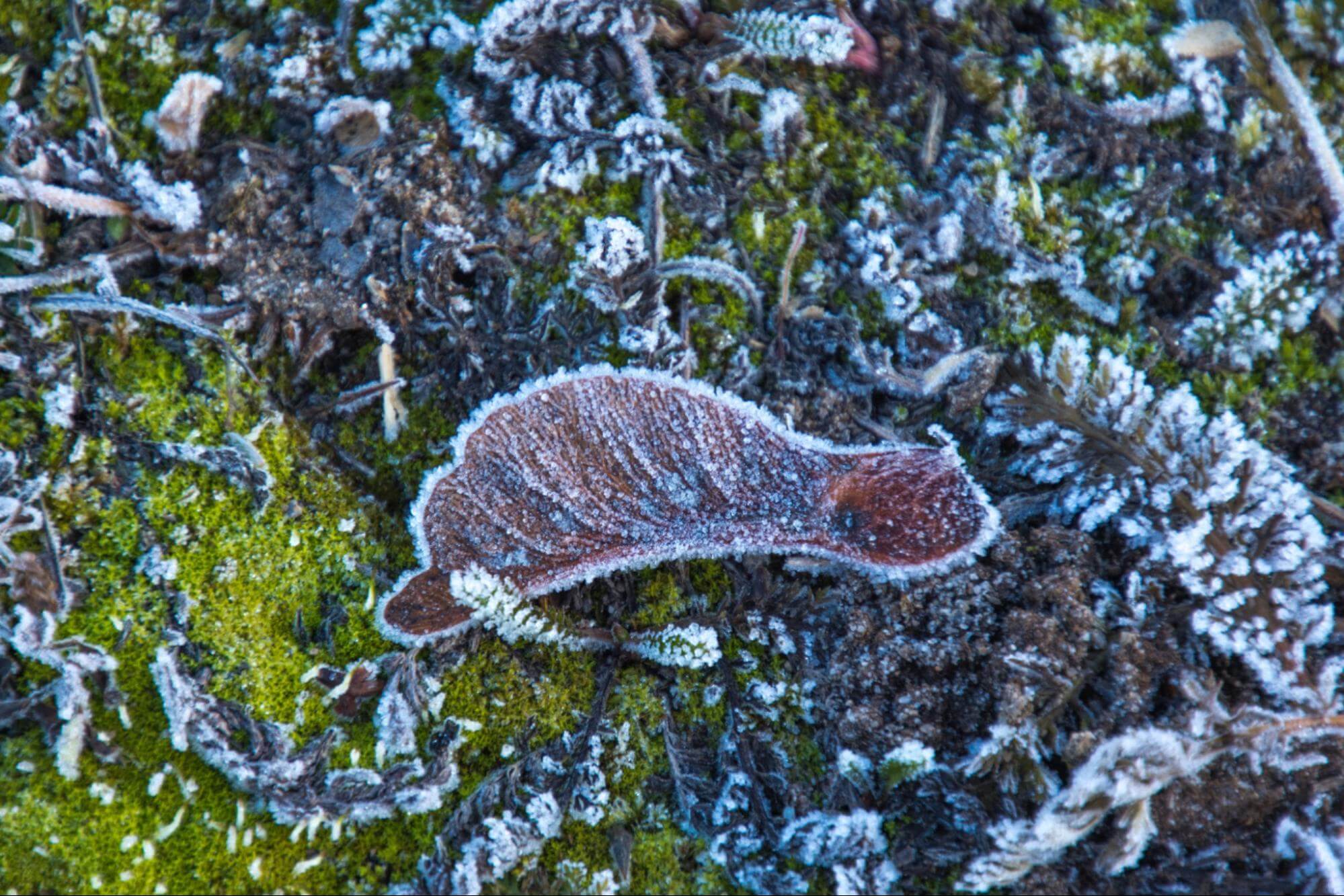
The first hard freeze feels like a reset button. The mosquitoes stop, the ant trails disappear, the wasps go quiet, and for a few months the yard belongs to you again.
Then March arrives, and everything is back – often in greater numbers than the previous spring.
Where bugs go in winter turns out to be a more interesting question than “somewhere warm,” and the answer explains something that frustrates a lot of Texas homeowners: our winters are not a population reset. They’re a pause button, and the insects pressed it themselves, on a schedule, before the cold ever showed up.
Where Do Bugs Go in Winter? Mostly, Nowhere
The first thing to understand is the distance involved, which is almost none.
According to the Smithsonian, insects overwinter under soil, in leaf litter, beneath logs and rocks, inside logs and trees, in tree holes, in plant galls, in eaves and attics, and in water beneath ice.
Read that list again with your own property in mind. The mulch bed against the foundation. The leaf litter you didn’t rake. The firewood stack. The soffit. The crawl space. Most of what was in your yard in August is within a few feet of where it was, waiting.
Only a handful of species actually leave – monarchs famously migrate to Mexico. The overwhelming majority simply stop.
Dormancy Isn’t Sleep. It’s a Programmed Shutdown.
The word “hibernation” does real damage here, because it suggests an animal getting sleepy as the weather turns. What insects do is categorically different.
The state is called diapause, and David Denlinger – the field’s leading researcher – defines it in a 2023 review in the Journal of Experimental Biology as “a stage-specific, programmed developmental arrest commonly engaged to circumvent an adverse season.”
Every word in that definition is load-bearing.
- Stage-specific: a given species pauses at one particular point in its life cycle – some as eggs, some as larvae, some as pupae, some as adults – and only that one.
- Programmed: it isn’t a reaction; it’s a developmental routine.
- Developmental arrest: growth and maturation genuinely halt, not just slow.
Denlinger notes the state involves months of suppressed metabolism. An insect in diapause is not resting. It has executed a shutdown sequence.
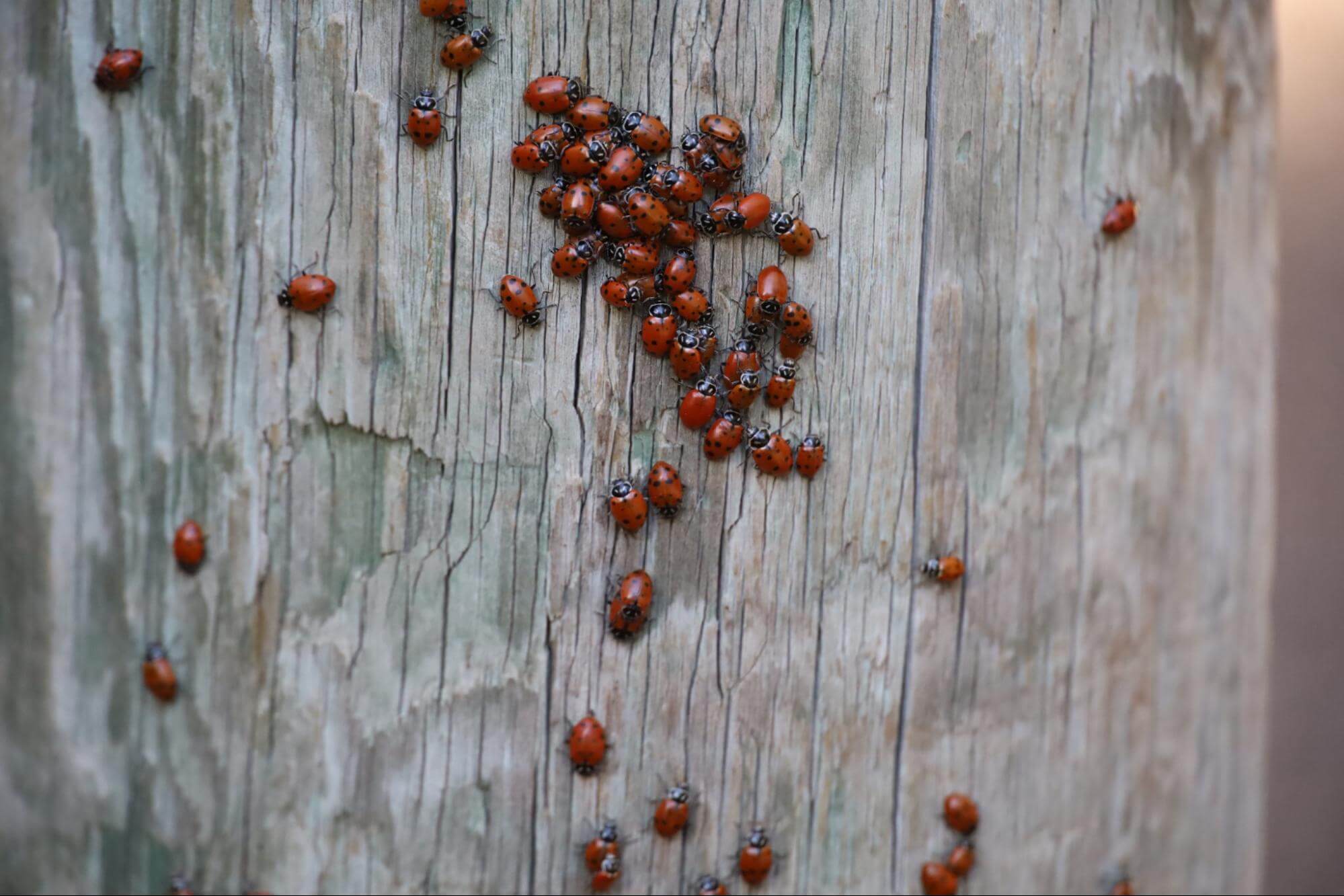
Diapause vs. Quiescence: The Distinction That Matters
There’s a second, simpler kind of dormancy, and telling them apart answers a very practical question.
Quiescence is a direct, moment-to-moment response to conditions. It can occur at any life stage, it’s controlled by the weather right now, and it reverses the instant conditions improve. An insect in quiescence is just too cold to move.
Diapause is committed. It’s programmed in advance, and it won’t release simply because one afternoon turns pleasant.
That’s the whole difference in practice. A 72-degree day in January wakes up quiescent insects – which is why you’ll see wasps on a warm winter afternoon, or ticks active during a mild stretch. The same day does essentially nothing to a species in true diapause, which stays shut down on its own schedule.
Both kinds are living in your yard right now, and they behave completely differently when the weather swings.
The Trigger Is Daylight, Not Temperature
Here’s the part almost nobody knows.
Denlinger describes photoperiod – day length – as the signaling system that regulates most diapauses. Insects don’t wait to feel cold. They read the shortening day and commit to shutdown weeks or even months before the first freeze.
It’s an elegant solution to a forecasting problem. Temperature is noisy and unreliable; a warm October tells you nothing about November. Day length is perfectly regular, identical every year, and completely immune to weather. An insect that waited for cold to prepare would frequently be caught out. One that reads the calendar never is.
Temperature cycles can sometimes substitute for light cycles as a cue, and Denlinger notes both appear to feed into the same downstream machinery – though exactly how they integrate remains unresolved. He also points out that species near the equator are “denied the powerful signaling system based on photoperiodism,” since their day length barely varies.
Hormones Do the Actual Switching
Diapause is run by the endocrine system, and the outline has been understood since the mid-twentieth century.
Denlinger credits Williams’s work on the cecropia silk moth with establishing “the central role of the brain–prothoracic gland axis in shutting down and then later restarting development” – a brain-to-gland signal that halts maturation and, later, releases it.
Several hormones handle different jobs. Juvenile hormone regulates reproduction in adults that overwinter as adults – a female can remain alive and mobile while her ovaries are switched off. A neuropeptide called diapause hormone controls embryonic diapause in the silkworm. The transcription factor FoxO has been proposed as a master switch, with insulin-like peptides coordinating metabolism across organs.
The practical upshot: this is a physiological program with specific entry and exit conditions, not a thermostat.
The Antifreeze Problem
Surviving months without feeding is one challenge. Not freezing solid is another.
Some insects handle it chemically. The Smithsonian notes that certain species effectively “replace the water in their bodies with glycerol,” which acts as an antifreeze – mourning cloak butterflies and various larvae among them.
But the more important point for Texas is about stability. The Smithsonian observes that insects survive best when temperatures stay steady rather than alternating between thaws and freezes, and that snow cover helps by insulating the ground and keeping soil temperatures even.
A Minnesota winter is brutally cold and remarkably stable, with a foot of insulating snow over everything. A North Texas winter is neither.
Why a North Texas Winter Barely Dents Pest Populations
Put the pieces together and our situation gets clear.
Our cold is shallow and short. The average first freeze at DFW Airport is November 22, and what follows is rarely sustained – a hard night, then a 70-degree week, then another freeze. There’s no long, deep cold to cause widespread mortality.
Our swings are costly but not lethal. Freeze-thaw cycling is metabolically expensive. Every warm stretch burns through fat reserves that were budgeted for a quiet winter. The result isn’t death, though – it’s survival with depleted reserves and a fast rebound as soon as conditions turn. Insects emerge thinner, not fewer.
Quiescent species exploit every warm week. Anything not in true diapause resumes activity each time it warms up, which in DFW is repeated.
And the cues are drifting out of sync with reality. This is Denlinger’s central observation about a warming climate, and it’s worth quoting directly: “Although temperatures are changing in a changing climate, photoperiod is not.” The signal insects evolved to trust is fixed while the conditions it predicts are moving. He notes that photoperiodic responses “must be modified to respond to changing temperatures,” and cites Bale and Hayward’s finding that “a warmer climate alters overwintering responses, allowing range expansion for some and range restriction for others.”
Cities accelerate this. Denlinger’s review links urban heat islands to a lowered day-length threshold for diapause in moths and butterflies – insects in warm urban cores shut down later than their rural counterparts at the same latitude. The DFW Metroplex is a very large warm urban core.
The honest summary: our winter suppresses pest activity for a few weeks at a time. It does not reduce the population you’ll face in spring in any meaningful way.
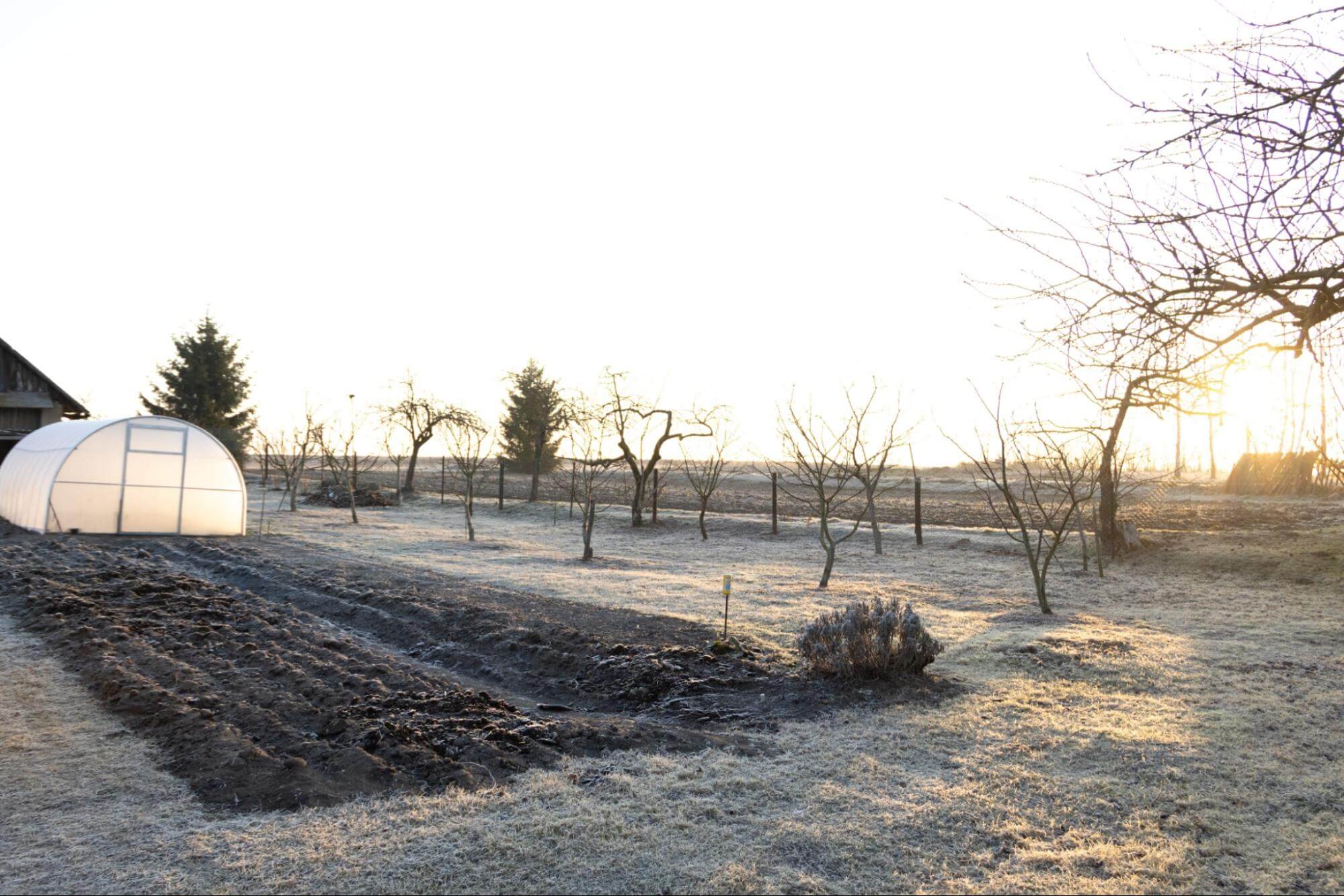
What’s Actually Out There in January
Specifics, because “pests survive winter” is too vague to act on.
- Subterranean termites move deep into the soil and keep working. AgriLife reports that swarming “begins in South Texas in January and February,” meaning swarm season is already underway elsewhere in the state while North Texas is still cold – and a swarm means a colony that’s been mature for years.
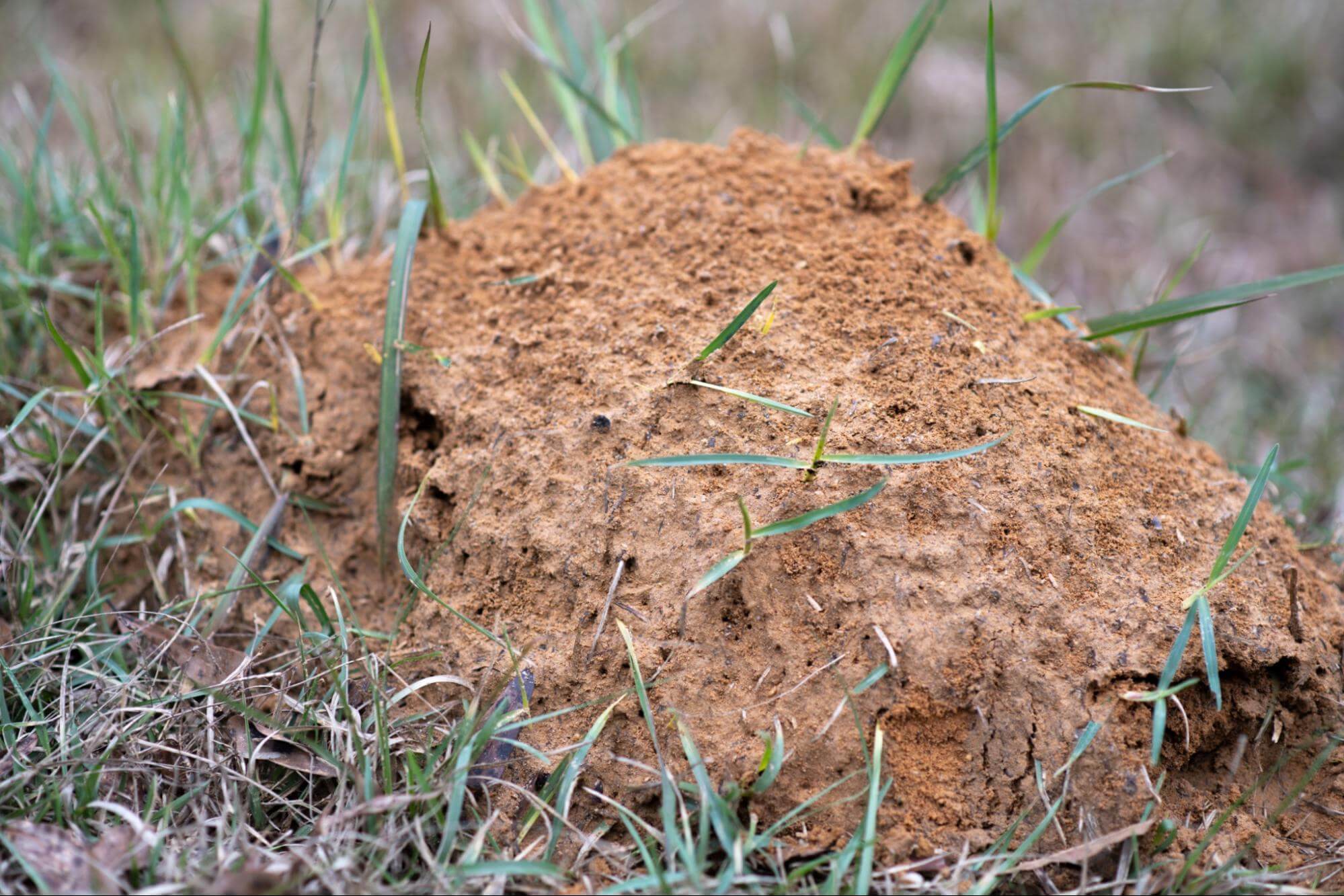
- Fire ants retreat deep into the mound and go largely dormant. The mound flattens and looks abandoned. The colony resurfaces in spring larger than the year before.
- Mosquitoes overwinter as sheltered adults or as eggs waiting on water. Texas mosquito activity can begin as early as February.
- Rodents never go dormant at all. They’re warm-blooded, and conditions inside your walls don’t change with the season – which is exactly why they moved in.
- Spiders, roaches, and scorpions that made it indoors stay active year-round in the stable conditions of a heated structure.
Why Pre-Spring Treatment Matters
Here’s the strategic argument, and it follows directly from the biology.
A population coming out of dormancy is at its annual minimum, and at its most concentrated. Fire ant colonies haven’t spread or budded yet, and they’re findable. Termite colonies haven’t swarmed, so the alates haven’t dispersed. Mosquito numbers are limited to overwintering adults and eggs rather than several generations stacked on top of each other.
Treat in March, and you’re ahead of the curve. Treat in June, and you’re chasing it – managing the compounded output of a population that has been doubling since February.
The same logic drives the fire ant bait window and pre-swarm termite inspections. Catch the colony while it’s small, locatable, and hasn’t had a season to multiply.
Winter Pest FAQs
Where do bugs go in winter?
Mostly nowhere. They overwinter in soil, leaf litter, under logs and rocks, inside tree cavities and plant galls, in eaves and attics, and in water. Only a few species, like monarch butterflies, actually migrate. Most are within a few feet of where they spent the summer.
Do bugs die in the winter?
Some do, but far fewer than people assume – especially in Texas. Most insects enter diapause, a programmed developmental shutdown that lets them survive months without feeding. A mild, inconsistent winter like North Texas depletes their energy reserves without causing much mortality.
What is insect diapause?
Diapause is a stage-specific, programmed developmental arrest that insects use to get through an adverse season. Unlike simply going quiet in the cold, it’s a hormonally controlled state with months of suppressed metabolism, and it’s triggered in advance by shortening day length rather than by temperature.
Does a cold winter mean fewer pests in the spring?
Not reliably. Insects prepare for winter based on day length, not temperature, so they’re already shut down before the cold arrives. Deep, sustained cold with snow cover can reduce survival, but North Texas winters are typically too short and too variable to make a meaningful dent.
Get Ahead of the Spring Rebound
The quiet months are the best window you get. Everything in your yard right now is dormant, concentrated, and smaller than it will ever be again this year.
Red Pest Control provides residential and commercial pest control across Fort Worth, Dallas, Arlington, and the greater DFW Metroplex, with same-day service available. Every property gets an assigned technician who learns your home – where things overwinter, which colonies resurface first, and what the season ahead is likely to bring. Our treatments are family and pet safe; we’re fully licensed and insured, and we work on a handshake with no contracts. We don’t just treat symptoms. We solve the problem at its source.
Call 817.865.5251 or request a free quote, and we’ll have a plan in place before spring does.